“La Paz” search results (300)

Bolivian Snow Veins Manor Coffee Flavor Description Grindness Characteristics Variety Producing Area Price Taste Introduction
We know that Arabica coffee cannot be grown at altitudes higher than 2000 meters, and if the altitude is too high, the coffee trees will freeze due to the low temperature. Bolivian coffee is mainly grown in the Yungas region northeast of La Paz. Bordering the Amazon River basin, it is about 1500-2500 meters above sea level and has an average annual temperature of about 10-15 ° C. Therefore guarantee
2016-10-10 Bolivia Snow Veins Manor Coffee Flavor Description Grind Characteristics Variety Yield
Introduction to the flavor and taste characteristics of Bolivian coffee manor
Because there are so many kinds of Brazilian coffee in Brazil, you can't just use the word Brazilian coffee to include it. Like other Arabica coffee, Brazilian coffee is called Brazils to distinguish it from Milds coffee. The vast majority of Brazilian coffee is unwashed and sun-dried and is classified according to the name of the state of origin and port of transport. Brazil has 21 states and 17 states produce coffee, but its
2016-09-12 Slippery taste Bolivia coffee manor producing area flavor characteristics variety introduction
Rich and unique aroma of Bolivian coffee manor flavor and taste characteristics of snow vein manor
Arabica coffee cannot be grown in cold places above 2000 meters above sea level. if the altitude is too high, coffee trees will frost because the temperature is too low. So Bolivian coffee is mainly grown in the Yungas region northeast of La Paz. It borders the Amazon basin and is about 1500-2500 meters above sea level with an average annual temperature of about 10-15 ℃. Therefore, it ensures the growth of coffee.
2016-08-08 Aroma rich unique Bolivia coffee manor producing area flavor taste special
Introduction to Bolivian coffee with very long-lasting vanilla and honey
Takesi Manor in the Mururata mountains of Sud Yungas, about 100km from the capital La Paz, can only be reached by the Inca ancient road. Here, it is still a branch of the Andes, and the manor belongs to the Agrotakesi SA institution. The whole farm has about 2500 hectares, about 1900 to 3000 meters above sea level. Takesi, which grows coffee, is as high as 2100 meters above sea level, which should be a rare high sea.
2016-07-01 Vanilla honey sweet very long-lasting Bolivia coffee introduction
Bolivian coffee boutique coffee flavor taste the characteristics of manor producing areas introduce the types of Bolivian coffee
Arabica coffee cannot be grown in cold places above 2000 meters above sea level. if the altitude is too high, coffee trees will frost because the temperature is too low. So Bolivian coffee is mainly grown in the Yungas region northeast of La Paz. It borders the Amazon basin and is about 1500-2500 meters above sea level with an average annual temperature of about 10-15 ℃. Therefore, it ensures the growth of coffee.
2016-08-04 Bolivia coffee boutique flavor taste manor producing area characteristics introduction species
Bolivia's coffee producing region of Yanges
Country: Bolivia, BoliviaProduction area: Yungas of La Paz Administrative town: Yanacahi Award-winning estate: Agrotakesi SA Estate owner: Mauricio Ramiro Diez de Medina Rank: No.1(2009 CoE champion) Farm area: 2,500 ha Coffee garden: 200 ha Altitude: 2100 m Certification: Organic (Ceser & USDA OR
2016-06-14 Bolivia Coffee Region Central Gus Country Bo
Full-bodied sweet Bolivian coffee flavor Taste Manor Features
In 1863, a rich deposit of saltpeter was discovered in Atacama province on the Pacific coast. In 1879 Chile sent troops to occupy Kuangqu, Bolivia and Peru united, and Chile fought the Pacific War. Bolivia lost its defeat in 1883, ceded the Pacific coast rich in saltpeter to Chile in 1904, and Bolivia lost its only coastal province, including the important port of Antofagasta, from
2016-08-25 Full Breath Bolivia Coffee Flavor Taste Manor Region Characteristics Medium
Description of Bolivian Coffee Flavor of refreshing Perfume
The following are the basic information and cup test taste of this batch of champion beans: the following materials are the Osher Cup test report and the official website of CoE: country: Bolivia, Bolivia producing area: Yungas of La Paz Administrative Town: Yanacahi Award winning Manor: Agrotakesi SA Manor owner: Mauricio Ramiro Diez de Medina Rank: No.1 (2009 CoE Champion)
2016-10-07 Refreshing perfume Bolivia coffee flavor description taste variety treatment law
Introduction of six coffee producing areas in Honduras in northern Central America
There are six main coffee producing areas in Honduras, including Santa Barbara, Copan, Ocotepeque, Lempira, La Paz and El Paraiso in the southeast. Honduran coffee tastes less acidic, while caramel is more sweet. The taste of coffee from these five different producing areas is also slightly different, some slightly sour.
2016-06-20 Central America North Honduras six Coffee producing areas introduction main
Bolivian Coffee characteristics Manor Flavor and taste introduce Bolivian Coffee Brand
The seat of the government and parliament, the largest city and political, economic and cultural center in the country, with a population of 2.7416 million. The city center, which is 3660 meters above sea level, is the highest seat of government in the world. La Paz was founded in 1548 and means the city of peace in Spanish. [6] the legal capital of Sucre, the seat of the Supreme Court, population 284000, 2790 meters above sea level. Founded in 1538, the city was formerly known as Chuquisaka. one
2016-08-12 Bolivia coffee characteristics manor producing area flavor taste introduction brand politics
Coffee producing area of Honduras-west and south, namely Santa Barbara
The geography of Honduras is no less than that of its neighboring coffee-producing countries such as Guatemala and Nicaragua. There are 280000 hectares of coffee plantations in Honduras, mainly small coffee plantations, most of which are less than 3.5ha. These coffee plantations account for 60% of the total coffee production in Honduras. In the coffee garden, because the planting area belongs to the mountain area, so people
2016-06-17 Honduras coffee producing areas west south namely Santa Barbara
Introduction to Bolivian Coffee Plantation Snow Veins Plantation Coffee Production Area
Country: Bolivia, BoliviaProduction area: Yungas of La Paz Administrative town: Yanacahi Award-winning estate: Agrotakesi SA Estate owner: Mauricio Ramiro Diez de Medina Rank: No.1(2009 CoE champion) Farm area: 2,500 ha Coffee garden: 200 ha Altitude: 2100 m Certification: Organic (Ceser & USDA OR
2016-06-16 Bolivia coffee manor presentation snow producing area
The six major coffee producing areas in Honduras introduce coffee processing methods
There are 280,000 hectares of coffee plantations in Honduras, mainly small coffee shops, most of which are less than 3.5 hectares. These coffee shops account for 60% of Honduras 'production. In coffee plantations, coffee beans are collected by hand, carefully processed and prepared to meet the tastes of consumers in accordance with market demand. Honduras harvests 3 million bags of coffee every year
2016-07-02 Honduras six major coffee producing area presentation treatment way method
Are the western and southern parts of Honduras larger coffee producing areas?
The average planting height of Choluteca, Francisco Morazan, La Paz, Siguatepeque, Santa Barbara, Intibuca, Copan and Ocotepeque., is more than 1100 meters above sea level. Coffee varieties are 100% Arabica, 69% are HG, 12% are SHG,19% and CS.
2016-06-30 Honduras west south all big coffee production areas
Introduction of Honduran raw bean culture boutique coffee beans
Honduran coffee seems strange to many coffee drinkers. When it comes to coffee production, the geographical conditions of Honduras are no less than those of neighboring coffee-producing countries such as Guatemala and Nicaragua. However, in the past, Honduras was less well-known in the consumer market because it did not have strong support in the handling and transportation of raw beans. Honduras (Honduras) 2
2016-06-15 Honduras raw beans culture introduction boutique coffee beans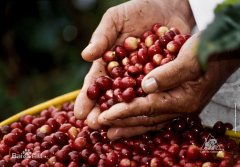
The advantage of Bolivian coffee lies in its high altitude and excellent coffee varieties.
The advantage of Bolivian coffee lies in its high altitude and excellent varieties of coffee, where the traditional Tibica and a small amount of Kaddura are highly valued in the world market. Bolivia is not a big coffee producer, but the excellent altitude and climatic conditions of the La Paz Mountains make the coffee produced here is of excellent quality. Bolivian boutique coffee is delicate, bright and sweet.
2016-06-12 Bolivia coffee advantage lies in high altitude altitude and excellent variety
Introduction to the producing area of Bolivian Coffee Flavor description Price Manor
The advantage of Bolivian coffee lies in its high altitude and excellent varieties of coffee, where the traditional Tibica and a small amount of Kaddura are highly valued in the world market. Bolivia is not a big coffee producer, but the excellent altitude and climatic conditions of the La Paz Mountains make the coffee produced here is of excellent quality. Bolivian boutique coffee is delicate, bright and sweet.
2016-10-09 Bolivia coffee grinding characteristics producing area flavor description price manor production
The Honduran coffee producing area with mild acidity and slightly sweet taste introduces the San Juan Xido producing area.
The average planting height of Choluteca, Francisco Morazan, La Paz, Siguatepeque, Santa Barbara, Intibuca, Copan and Ocotepeque., is more than 1100 meters above sea level. Coffee varieties are 100% Arabica, 69% are HG, 12% are SHG,19% and CS.
2016-06-22 Mild sour taste full sweet Honduras coffee producing area introduction St.
Bolivian Snow Veins Manor Coffee Flavor Description Variety Production Characteristics Fine Coffee Bean Introduction
In 1932 Bolivia and Paraguay fought for oil resources in the North Chaco region and the Chaco War broke out. Bolivia was defeated and lost a large part of its territory. April 1952 outbreak of armed popular uprising, nationalist revolutionary movement leader Passeden Soro took office as president. Since then, military coups have been frequent and the political situation has been turbulent for a long time. October 1983 Restoration of modern assets with South American characteristics
2016-09-29 Bolivia Snow Veins Manor Coffee Flavor Description Variety Region Characteristics Essence
Introduction to the origin, characteristics and cultural treatment of coffee beans in Honduras
There are six main coffee producing areas in Honduras, including Santa Barbara, Copan, Ocotepeque, Lempira, La Paz and El Paraiso in the southeast. Honduran coffee tastes less acidic, while caramel is more sweet. The taste of coffee from these five different producing areas is also slightly different, some slightly sour.
2016-06-05 Honduras coffee beans introduction origin characteristics culture treatment way